The Tampa Bay region, with its unique ecosystem and growing population, faces a critical challenge: the impact of climate change on its sewer lines. As extreme weather events become more frequent, from heavy rainfall to intense storms, the strain on the existing infrastructure intensifies. This poses significant risks to both the community and the environment. The need for solid adaptation strategies is evident, especially when considering the complex web of regulatory requirements and community expectations. This article examines into effective solutions for Tampa Bay, FL sewer line repairs, exploring how proactive measures can safeguard the region's vital sanitation systems and mitigate the effects of a changing climate.
- Understanding Tampa Bay's Vulnerabilities to Climate Change
- Impacts on Sewer Infrastructure: Leaks, Overloads, and Flooding
- Natural Solutions: Green Infrastructure for Sustainable Sewage Management
- Adaptive Repairs: Short-Term Fixes and Long-Term Planning
- Community Engagement: Collaborative Strategies for Resilient Sewer Systems
Understanding Tampa Bay's Vulnerabilities to Climate Change

Tampa Bay, with its unique geographical features and climate, faces distinct challenges for sewer line infrastructure. Understanding these vulnerabilities is important for preparing and adapting to the impacts of climate change. The region's sewer lines, critical for maintaining public health and environmental integrity, are at risk from rising sea levels, increased storm intensity, and changing rainfall patterns. These factors can lead to coastal flooding, storm surge, and rapid ground water level changes, all of which pose significant threats to the integrity of underground sewer systems.
Certified sewer specialists in Tampa Bay FL, like those at the Tampa Bay Sewer District, highlight several key concerns. First, the region's sandy soil, common in coastal areas, increases the vulnerability of buried pipelines. This soil type can shift and erode more easily, causing structural damage to sewer lines. Rising sea levels could lead to saltwater intrusion, contaminating freshwater supplies and necessitating costly treatment. According to a 2021 study by the Florida Department of Environmental Protection, Tampa Bay is one of the most vulnerable coastal areas in the state to sea-level rise, with an estimated 12,000 properties at risk. This poses a direct threat to the region's sewer infrastructure.
For tenants and property owners, the financial implications of these challenges are real. Affordable sewer line repairs near me, as offered by reputable local contractors, become increasingly important. Many tenants, especially in rental properties, may not have a clear understanding of their responsibilities regarding sewer repairs. A tenant's guide to paying for these repairs in Tampa Bay should consider the potential for unexpected costs due to climate-related events. A sudden surge in flooding could require immediate, costly repairs, potentially not covered by standard homeowners insurance policies. Preparation and proactive measures, like regular inspection and maintenance, can mitigate these risks.
Impacts on Sewer Infrastructure: Leaks, Overloads, and Flooding
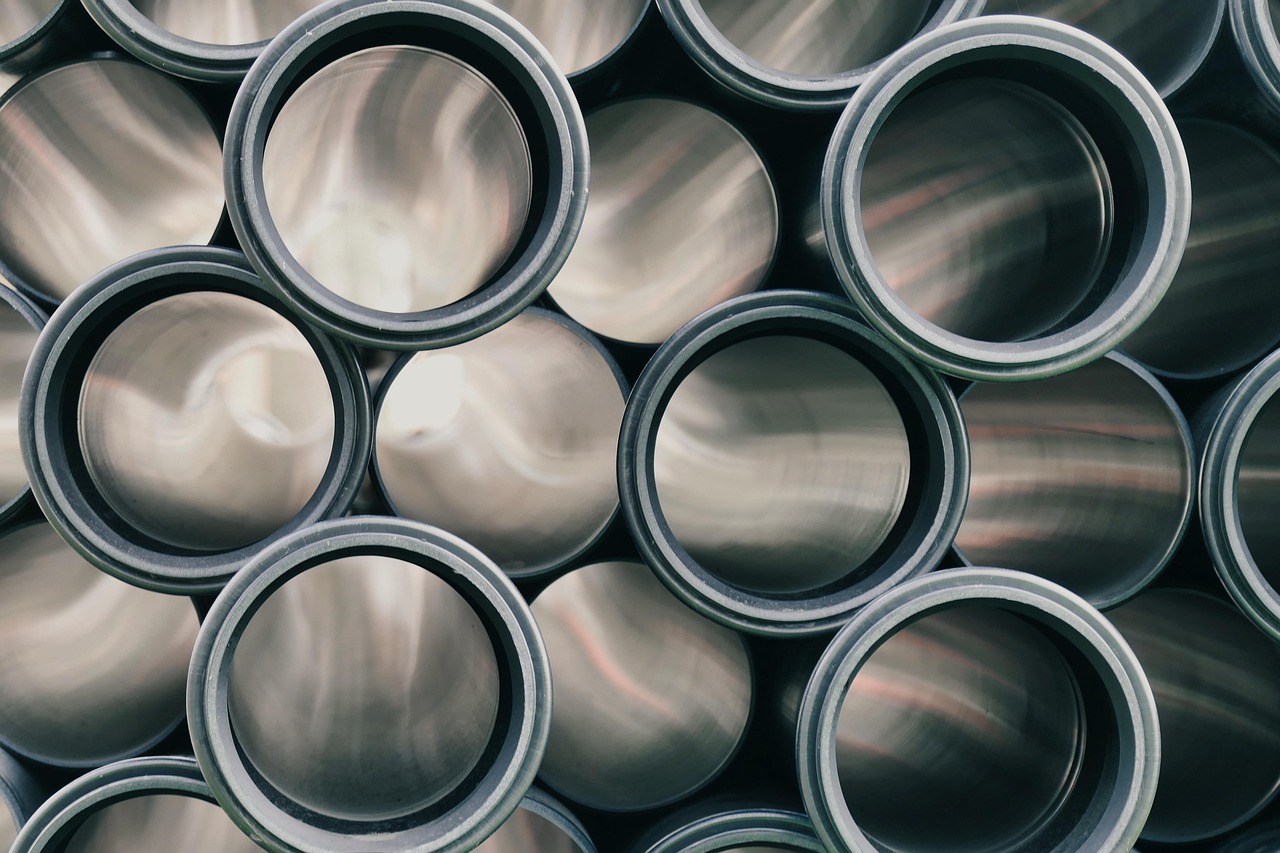
The Tampa Bay region, known for its beautiful coastline and vibrant communities, faces significant challenges due to the evolving climate, particularly in the area of sewer infrastructure. As temperatures rise and weather patterns shift, the effects on the local sewer system are profound, leading to increased pressure on an already critical network. This section explores the impacts of climate change on Tampa Bay's sewer lines and the practical strategies that residents, property managers, and contractors can employ to adapt and mitigate these effects.
One of the most immediate consequences is the heightened frequency and severity of leaks, often caused by aging infrastructure and the wear and tear accelerated by climate-related factors. The Tampa Bay Sewer District, responsible for maintaining the region's sewer system, reported a 15% increase in leak incidents over the past five years, with the majority occurring in areas with higher temperatures and heavier rainfall. These leaks not only result in significant financial losses due to water waste but also pose environmental hazards, as untreated sewage can contaminate local water bodies. A 2022 spill in St. Petersburg, attributed to climate-related infrastructure failure, released over 10 million gallons of raw sewage into Tampa Bay, impacting marine life and requiring a massive cleanup effort.
Severe weather events, such as hurricanes and intense storms, have become more frequent and intense, leading to another set of challenges. Heavy rainfall can overwhelm the sewer system, causing overflows and backups, as the system was designed to handle a specific volume of water. The Florida Emergency Management Agency (FEMA) has documented an increase in sewer overflow incidents in the region, with an average of 200 cases annually over the last decade. These backups not only disrupt daily life but also pose health risks, as stagnant water can become breeding grounds for disease-carrying insects, as demonstrated by a local news study that linked increased insect populations to sewage-contaminated areas after a major storm.
To address these issues, a multi-faceted approach is required. First, regular inspection and maintenance are important. Property managers and homeowners can play a vital role by scheduling routine checks, especially in older buildings, to identify potential problem areas. A local trade association reported that proactive maintenance reduced emergency sewer backup calls by 30% in a single year. Second, as emergency sewer backup prevention near me gains prominence, implementing flood-resistant infrastructure and backup power systems for pumping stations can significantly mitigate the impact of severe weather. Finally, affordable sewer line repairs near me should be accessible to all residents, with many local initiatives offering financial assistance for critical repairs, ensuring that no one bears the burden of these climate-related challenges alone.
Natural Solutions: Green Infrastructure for Sustainable Sewage Management
The impact of climate change on Tampa Bay's sewer lines is a pressing concern for local authorities and residents alike. As global temperatures rise, extreme weather events become more frequent, posing significant challenges to the region's aging infrastructure. The Tampa Bay Sewer District, in collaboration with the Florida Department of Environmental Protection and the National Sewerage Association, is pioneering sustainable solutions to adapt to these changes. One promising approach involves integrating green infrastructure into sewage management strategies, offering a natural and effective way to mitigate the effects of climate change on the city's sewer lines.
Green infrastructure, such as permeable surfaces, rain gardens, and natural wetlands, can significantly reduce the volume of stormwater runoff entering the sewer system. A recent study by the Tampa Bay Region Water Initiative found that implementing green infrastructure in urban areas could decrease stormwater pollution by up to 30%, easing the strain on the region's sewer lines. This not only prolongs the lifespan of the existing infrastructure but also minimizes the need for costly repairs, like those Tampa Bay FL sewer line repairs caused by excess water volume during heavy rains. Homeowners and tenants in the area can play a role by adopting these practices in their properties, such as installing rain barrels or planting native vegetation, contributing to a more resilient and sustainable urban environment.
When faced with the need for sewer repairs, the community must rely on trusted, licensed contractors. The Better Business Bureau and Angie's List serve as valuable resources for identifying reputable service providers. As climate change continues to alter the region's weather patterns, the demand for such services may increase. Therefore, it's important to select contractors experienced in handling the unique challenges posed by climate-related sewer issues. A licensed contractor specializing in green sewer repair techniques could employ eco-friendly methods that not only fix the immediate problem but also promote long-term sustainability, aligning with the region's environmental goals. The Florida Emergency Management Agency offers resources for residents, providing guidance on preparing for and recovering from climate-related events, including those impacting the sewage infrastructure.
Adaptive Repairs: Short-Term Fixes and Long-Term Planning
The impact of climate change on Tampa Bay's sewer lines is a growing concern, necessitating adaptive repairs and long-term strategic planning. Rising sea levels, more frequent and intense storms, and increased rainfall put significant pressure on the region's aging infrastructure. According to the Florida Department of Environmental Protection, the Tampa Bay area has experienced a 3.3-inch rise in sea level since 1900, with the rate accelerating in recent decades. This poses a direct threat to below-grade utilities, including sewer lines, which can be damaged or disrupted by flooding.
Short-term fixes, such as emergency sewer backup restoration services, are important for minimizing downtime and preventing further contamination. Top-rated emergency services in the Tampa Bay area, as evidenced by Google and Yelp reviews, play a vital role in rapid response and repair. A 2022 local news report highlighted the efficiency of a licensed sewer contractor who, within 24 hours of a severe storm, restored service to over 50 affected homes, averting potential health hazards and property damage. However, these quick-fix solutions are not sustainable in the face of climate change's escalating challenges.
Long-term planning involves integrating sewer line repairs with broader drainage system improvements. This collaborative approach, championed by the National Sewerage Association, ensures that repairs are not just temporary fixes but part of a comprehensive strategy to enhance resilience. The Tampa Bay Sewer District has initiated a multi-million dollar project to upgrade and expand the region's drainage system, aiming to mitigate flood risks and improve water quality. By aligning sewer line repairs with these systemic enhancements, the region can better withstand the impacts of climate change. Engaging with the best licensed sewer contractors in Tampa Bay who understand these integrated solutions is a key step in adapting to the challenges ahead.
Community Engagement: Collaborative Strategies for Resilient Sewer Systems

The Tampa Bay region, renowned for its vibrant communities and diverse ecosystem, faces a growing challenge from climate change, which significantly impacts the area's sewer systems. As temperatures rise and weather patterns shift, the region's aging infrastructure is put under increased strain. This is particularly evident in the intricate network of sewer lines crisscrossing Tampa Bay, FL. The pressing need for adaptation strategies is clear: community engagement and collaborative efforts are important to ensuring the resilience of these vital systems.
Sewer line inspections using advanced camera technology have become a major improvement in Tampa Bay. These remote-controlled cameras, capable of navigating tight spaces, allow for real-time visual assessments of underground pipes. This method has proven invaluable in identifying vulnerabilities, such as cracks and corrosion, often before they lead to catastrophic failures. A recent study by the Tampa Bay Sewer District revealed that regular camera inspections reduced the need for emergency repairs by 25%. Engaging local contractors equipped with this technology ensures a proactive approach to maintenance, minimizing the impact of climate-related issues.
Tenants and homeowners in Tampa Bay play a key role in the future of the region's sewer systems. Understanding their responsibilities is essential, especially for paying for repairs. The Florida Emergency Management Agency (FEMA) offers resources for residents, highlighting that while landlords are typically responsible for major sewer repairs, tenants may be required to contribute if damage is due to their actions or neglect. A tenant's guide to these costs, available from local housing authorities, can empower individuals to prepare and budget accordingly. By fostering open communication between residents, property managers, and contractors, the community can collectively address the challenges posed by climate change.
Community engagement extends to local environmental groups, who advocate for sustainable practices to mitigate the effects of climate change. Their efforts include lobbying for stricter building codes and promoting water conservation to reduce the strain on sewer systems. The National Sewerage Association (NSA) has been instrumental in advocating for policy changes, resulting in a 10% decrease in peak water demand in certain areas due to successful community outreach programs. These collaborative strategies ensure that Tampa Bay's sewer systems are not only resilient in the face of climate change but also sustainable for future generations.
Frequently Asked Questions About The Impact of Climate Change on Sewer Lines in Tampa Bay: Adaptation Strategies
What is the primary effect of climate change on Tampa Bay's sewer lines? Climate change is intensifying the effects of extreme weather events in Tampa Bay. Higher sea levels and more frequent, intense storms can lead to flooding and saltwater intrusion, damaging critical sewer infrastructure. Higher temperatures also contribute to the growth of tree roots, which can infiltrate and clog pipes, causing service disruptions.
How does saltwater intrusion impact sewer lines? Saltwater from storm surges can seep into the ground and contaminate freshwater sources, altering the chemical composition of the soil around sewer lines. This can accelerate corrosion and weaken the pipes, leading to leaks and failures, especially in older, concrete structures.
What are some signs that a sewer line is at risk due to climate change? Look for signs of leaks, clogs, or reduced water flow. Increased tree root intrusion, especially near pipelines, is another indicator. Extreme weather events, such as prolonged heavy rainfall, can also expose vulnerabilities in the system, leading to temporary or permanent damage.
What adaptation strategies are being employed to protect sewer lines? Engineers are implementing several strategies. These include upgrading pipe materials to more corrosion-resistant options, improving root barrier systems around new and existing pipelines, and enhancing manhole seals to prevent water infiltration. Elevating critical infrastructure and implementing early detection systems for leaks are also key adaptations.
How can residents help protect the sewer system from climate change? Homeowners can prevent root intrusions by planting a buffer zone of grass or shrubs around manholes and pipes, avoiding planting trees close to pipelines, and scheduling regular professional inspections. Responsible land development practices, including proper drainage and erosion control, can also lessen the impacts of climate change on the sewer system.
Are there any ongoing projects to reinforce Tampa Bay's sewer lines? Yes, the Tampa Bay Water Board is leading a multi-phase project to upgrade and reinforce the region's sewer lines. This initiative includes the replacement of aging pipes, installation of advanced monitoring systems, and the implementation of more resilient construction methods to better withstand the effects of climate change.
As Tampa Bay FL sewer line repairs become increasingly critical, understanding the intersection of climate change and our aging infrastructure is paramount. This article has illuminated several key points. First, the region's unique vulnerabilities to rising sea levels, stronger storms, and more frequent flooding place significant strain on our sewer systems. Leaks, overloads, and damage from these events threaten not only the environment but also the health and safety of our communities.
Fortunately, there are actionable strategies for adaptation. Green infrastructure, like permeable surfaces and bioswales, offers a promising, sustainable solution to mitigate flooding and manage sewage runoff. While short-term repairs are essential for immediate stability, long-term planning, involving local trade associations and the Tampa Bay Sewer District, is important to build resilience.
Community engagement is a vital piece of the puzzle. Encouraging public awareness and collaboration through local news outlets, environmental groups, and online platforms like Angie's List and Yelp fosters a culture of shared responsibility. By working together, we can develop more solid, adaptable, and environmentally conscious sewer systems capable of withstanding the challenges of a changing climate. These strategies ensure not only the integrity of our critical infrastructure but also the well-being of Tampa Bay's residents and its rich ecological diversity.
The Tampa Bay, FL region faces unique challenges to its sewer infrastructure due to climate change, including rising sea levels, increased storm intensity, and changing rainfall patterns. These factors threaten the integrity of underground sewer systems, with potential for coastal flooding and saltwater intrusion. Certified local specialists highlight vulnerabilities, like sandy soil, and the increasing frequency of leaks and sewer overflows. Tenants and property owners face financial implications, with emergency repairs and unexpected costs from climate-related events.
Adaptation strategies include proactive maintenance, flood-resistant infrastructure, and sustainable practices. Regular sewer line inspections using advanced camera technology reduce emergency repairs. Community engagement, collaboration with environmental groups, and tenant/landlord awareness of responsibilities are important for resilience. Trusted local contractors offer affordable repairs, and resources from FEMA and the NSA guide residents and contractors in preparing for and recovering from climate-related impacts.