In Tampa Bay, FL, where the sewer system is a vital part of daily life, understanding the common causes of sewer line clogs is crucial for effective backup prevention near. These clogs not only disrupt daily routines but can also lead to costly repairs and potential environmental damage. This article examines the top five causes, offering a practical guide for homeowners and property managers. By identifying these issues, we empower you to take proactive measures and minimize the need for emergency tampa bay fl sewer line repairs. We'll explore not only the typical culprits but also provide insights into best practices and community resources, ensuring your sewer lines remain clear and your community remains protected.
- Understanding Sewer Line Clogs: Common Causes Revealed
- Dietary Culprits: Food Waste & Grease Impact
- Tree Roots: Natural Intruders and Their Solutions
- Plumbing Practices: Common Mistakes to Avoid
- Tampa Bay's Natural Remediation: Preventative Measures
Understanding Sewer Line Clogs: Common Causes Revealed
Sewer line clogs are a common problem in Tampa Bay, FL, and understanding the root causes is essential for both property owners and contractors. The Tampa Bay Sewer District, in collaboration with the Florida Department of Environmental Protection and the National Sewerage Association, provides critical insights into these issues. By identifying the top five causes, we can effectively prevent and mitigate clogs, ensuring the integrity of our region's drainage and sewer systems.
The most frequent clogs stem from household activities and the daily use of plumbing. Common culprits include grease, food scraps, and non-biodegradable materials that are improperly disposed of. Pouring grease down the drain or flushing non-flushable items can quickly lead to obstructions. Legal obligations of property owners regarding sewer lines in Florida underscore the importance of responsible waste disposal, as these actions can result in fines or even legal repercussions. The Florida Emergency Management Agency also emphasizes the need for proactive measures, encouraging residents to implement simple habits like using drain covers and avoiding overloading the system with inappropriate waste.
Another significant factor is the aging infrastructure. Many sewer lines in Tampa Bay are old and require regular maintenance. Integrating sewer line repairs with existing drainage systems is crucial. Top-rated emergency sewer backup restoration services in the area are equipped to handle these situations, offering prompt solutions and ensuring minimal disruption to homeowners. Regular inspection and repair programs, as promoted by local trade associations, can significantly reduce the occurrence of clogs and the need for costly emergency repairs. By staying proactive and addressing both the visible symptoms and underlying infrastructure, Tampa Bay residents and businesses can contribute to a more reliable and sustainable sewer system.
Dietary Culprits: Food Waste & Grease Impact
The diet we eat matters in the health of our sewers, and indeed, one of the most common causes of sewer line clogs in Tampa Bay is food waste and grease. These organic materials, when flushed down the drain, can solidify and stick to the pipes, forming clogs that lead to emergency sewer backups. The Tampa Bay Sewer District advises residents to avoid pouring grease down the sink, as it quickly cools and solidifies, trapping other materials and causing blockages. Food scraps, grease, and cooking oil should never be disposed of in the toilet, as this is a common point of entry for these problematic substances into the sewer system.
Grease traps are a valuable tool in mitigating this issue, especially in commercial kitchens. By catching and retaining grease before it enters the sewer, these devices can significantly reduce the risk of clogs and backups. Property managers and landlords are responsible for ensuring these devices are installed and maintained, per local regulations and rental agreements, to avoid costly repairs and potential violations. As climate change impacts Tampa Bay, with more frequent heavy rainfall events, proper grease management becomes even more critical, as it can exacerbate sewer overflows and backups, leading to environmental and public health concerns.
To address these dietary culprits, we recommend a multi-pronged approach. First, educate household members about the impact of food waste and grease disposal. Simple habits like using drain covers to catch large particles and properly disposing of grease through local recycling programs can make a difference. Second, consider regular sewer line maintenance, such as drain cleaning and inspection, to catch issues early. For affordable Tampa Bay sewer line repairs, many residents find local, licensed contractors who offer preventive maintenance packages. Some companies offer camera inspections to visualize pipe conditions, allowing for targeted cleaning and repair, extending the life of your sewer lines and reducing the need for costly emergency repairs.
Tree Roots: Natural Intruders and Their Solutions

Tree roots are a persistent and often overlooked problem in Tampa Bay's sewer lines, posing a significant challenge for homeowners and local utilities alike. These natural intruders can cause clogs and blockages, leading to costly repairs and inconvenient disruptions. The Tampa Bay Sewer District, in collaboration with the Florida Department of Environmental Protection, emphasizes the importance of understanding and addressing tree root issues proactively.
The problem arises from the fact that tree roots, especially those of maple, birch, and poplar trees, are naturally attracted to water and can grow extensively into sewer pipes. As roots penetrate the pipes, they can cause damage and blockages. This issue is exacerbated by the region's frequent rainfall and the presence of mature trees in many neighborhoods. To combat this, annual plumbing maintenance is crucial. DIY sewer unclogging techniques can help in the short term, but for long-term prevention, homeowners in Tampa Bay should consider regular inspections and cleaning. A trusted local contractor can employ trenchless repair methods, minimizing excavation and providing a more environmentally friendly solution compared to traditional sewer repair.
Comparing trenchless vs. Traditional methods, trenchless repairs offer several advantages. They reduce the need for extensive digging, minimizing property damage and speeding up the repair process. However, not all cases are suitable for trenchless techniques, and a professional assessment is essential. By understanding the role of tree roots and implementing preventive measures, residents can contribute to maintaining the integrity of their sewer lines and, by extension, the overall Tampa Bay FL sewer line repairs infrastructure.
Plumbing Practices: Common Mistakes to Avoid
In Tampa Bay, Florida, where sewer line clogs are a frequent concern, understanding and avoiding common plumbing practices can significantly reduce the need for costly tampa bay fl sewer line repairs. While emergency sewer backup prevention near me is a top priority, proactive measures can save time and money in the long run. One of the most effective strategies is to prevent clogs from happening in the first place.
DIY sewer unclogging methods can be effective for occasional clogs, but for recurring issues, a more thorough approach is necessary. Many clogs are caused by everyday habits that can be easily corrected. Pouring grease down the drain or using disposable products like wipes and tampons that don't dissolve properly can lead to significant buildup. Homeowners should be mindful of what goes into their plumbing systems; using drain covers or catchers can help capture larger debris. Regular maintenance by a professional, including camera inspections, can identify and address issues before they become major problems.
Beyond individual responsibility, proper sewer repair vs. Replacement cost analysis is crucial. The Florida Department of Environmental Protection and the National Sewerage Association offer guidelines and resources to ensure compliance with local regulations. Local trade associations and sewage treatment plants also play a vital role in promoting best practices. Homeowners should consider the environmental impact of their plumbing choices; local environmental groups often provide valuable insights into sustainable practices that can prevent clogs and protect Tampa Bay's water systems.
The consequences of ignored clogs can be severe, leading to flooded basements and even property damage. By adopting a proactive mindset and learning from common mistakes, Tampa Bay residents can significantly reduce the need for emergency tampa bay fl sewer line repairs. Regular care and awareness can translate to substantial savings and a healthier, more sustainable local infrastructure.
Tampa Bay's Natural Remediation: Preventative Measures
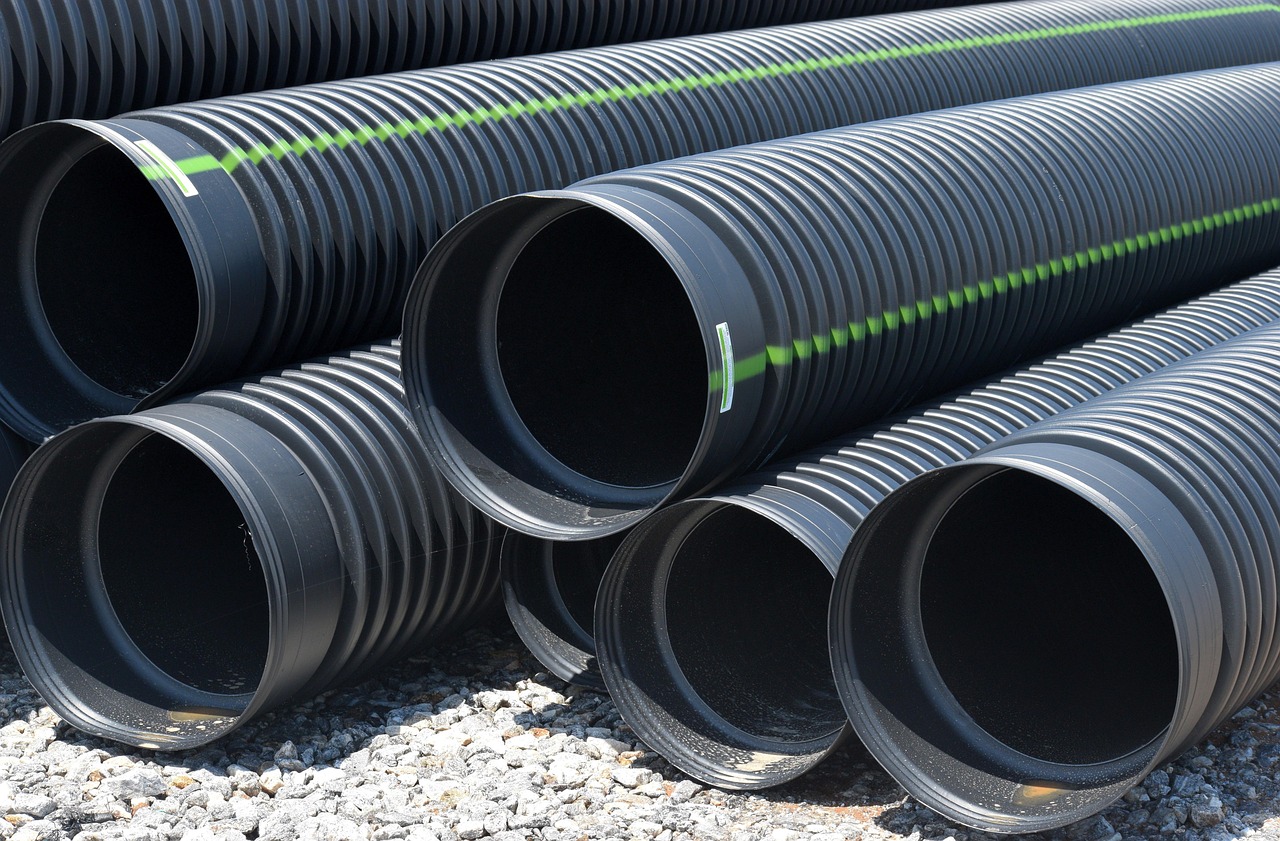
In Tampa Bay, homeowners often face the challenge of sewer line clogs, a problem that can be both costly and disruptive. Understanding the most common causes of these blockages is crucial for any tenant or property owner, especially when considering the financial implications and the environmental impact. By adopting preventative measures, residents can minimize the need for emergency Tampa Bay FL sewer line repairs and contribute to a more sustainable community.
One of the primary culprits is the accumulation of grease and food waste, which often results from poor disposal practices. Many clogs occur due to grease from cooking, which solidifies and builds up in pipes. Pouring grease down the drain or failing to dispose of food scraps responsibly can lead to severe blockages. To combat this, certified sewer specialists in Tampa Bay FL recommend regular cleaning and maintenance, including using enzyme-based drain cleaners that break down grease naturally. Homeowners should also install drain covers to catch solid particles before they enter the sewer system.
Another significant contributor to sewer line clogs is tree root intrusion. Trees and their roots naturally grow towards water sources, including sewers. As roots extend into the pipes, they can break through the pipe's lining, causing damage and leading to clogs. This issue is particularly prevalent in Florida's humid climate, where tree roots grow quickly. To prevent this, regular inspection and removal of nearby trees and roots are essential. Homeowners should consult with certified arborists and sewer specialists to identify and mitigate potential risks before tree planting.
Foreign objects accidentally (or intentionally) flushed down the toilet can cause significant clogs. Common culprits include wet wipes, sanitary products, and even small toys. These items are not designed for sewerage and can quickly create blockages, leading to costly repairs. Preventative measures include educating all household members about what can and cannot be flushed down the drain. Displaying clear signage and installing specialized toilet paper holders can also discourage the disposal of inappropriate items.
Lastly, aging sewer systems and poor installation can contribute to clogs. Older pipes may have cracks or corrosion, leading to blockages, while improper installation can create structural issues. Homeowners in Tampa Bay, especially those with older properties, should consider having their sewer lines inspected regularly by certified professionals. Regular maintenance and timely repairs can prevent small issues from escalating into major clogs or leaks, saving tenants and homeowners money in the long run.
Understanding the primary causes of sewer line clogs in Tampa Bay, from dietary culprits to tree roots and improper plumbing practices, is crucial for residents and property managers. By addressing these issues, we can significantly reduce the need for costly and disruptive tampa bay fl sewer line repairs. Implementing preventative measures, such as using grease traps and avoiding flushing non-biodegradable materials, can go a long way in keeping sewer lines clear. The Tampa Bay Sewer District and local environmental groups promote natural remediation techniques, emphasizing the importance of community involvement in maintaining our region's vital infrastructure. Proactive approaches, combined with informed choices, can lead to a more sustainable and cost-effective approach to sewer line maintenance, ensuring Tampa Bay's plumbing systems remain reliable for years to come.
Tampa Bay Sewer Line Repairs: A Practical guide to Prevention and Quick Relief
Sewer line clogs in Tampa Bay are a common problem, driven by household habits, aging infrastructure, and environmental factors. Key causes include:
- Grease and Food Waste: Improper disposal leads to clogs, with grease solidifying and trapping materials.
- Tree Roots: Frequent rainfall attracts tree roots, which can penetrate pipes and cause blockages.
- Foreign Objects: Toilet paper products and non-flushable items cause clogs, requiring immediate removal.
- Aging Infrastructure: Old pipes and poor installations need regular maintenance and repairs.
Preventative Measures:
- Education and Responsibility: Enforce responsible waste disposal and educate on what not to flush.
- Maintenance and Cleaning: Regular drain cleaning, camera inspections, and maintenance by licensed professionals.
- Drain Covers: Install covers to catch large particles and prevent grease buildup.
- Tree Management: Consult with arborists to remove nearby trees and roots before they cause damage.
Quick Relief:
For emergencies, contact trusted Repairs services. They offer:
- Trenchless Repairs: Minimally invasive, environmentally friendly, and faster recovery.
- Professional Assessment: Identify root intrusions, structural issues, and potential clogs.
- Cost-Effective Solutions: Preventive maintenance packages reduce long-term costs.
By understanding and addressing these issues, Tampa Bay residents can protect their properties and contribute to a robust, sustainable sewer system.