Climate change is significantly impacting infrastructure across the United States, and Tampa Bay, Florida, is no exception. The region's aging sewer lines are increasingly susceptible to damage from rising sea levels, more frequent storms, and intense rainfall, leading to costly repairs and disruptions. This article examines the challenges posed to Tampa Bay's sewer system by climate change and explores adaptation strategies to mitigate these impacts. By understanding the problem and employing innovative solutions, we can enhance the resilience of these vital systems, ensuring the continued health and safety of the region's communities. Let's examine concrete steps towards durable and effective Tampa Bay FL sewer line repairs.
- Understanding Tampa Bay's Sewer System Vulnerabilities
- Climate Change Impacts: Rising Waters and More
- Assessing Sewer Line Damage: A Comprehensive Look
- Natural Solutions for Sustainable Sewer Repairs
- Tampa Bay's Approach: Adaptive Infrastructure Planning
- Community Engagement for Proactive Mitigation
- Case Studies: Successful Adaptation Strategies in Action
- Long-Term Solutions: Reducing Vulnerability to Climate Change
- The Future of Resilient Sewer Systems in Tampa Bay
Understanding Tampa Bay's Sewer System Vulnerabilities
The Tampa Bay sewer system, while robust, faces unique challenges due to the region's climate and environmental factors. Understanding these vulnerabilities is crucial for effective adaptation and the long-term sustainability of the area's infrastructure. Heavy rainfall, frequent storms, and rising sea levels contribute to increased water levels, putting pressure on the existing sewer lines. These conditions can lead to surcharge, where the system becomes overwhelmed, causing raw sewage to back up into homes and businesses. This isn't merely a rare occurrence; it's a recurring problem that requires proactive measures.
Regular annual plumbing maintenance is a key strategy for Tampa Bay residents and businesses. This proactive approach involves more than just routine check-ups; it includes inspections, cleaning, and repairs to ensure the health and efficiency of the sewer lines. A professional plumber can identify signs of corrosion, tree root infiltration, or structural damage that may compromise the integrity of the system. By addressing these issues early, residents can prevent costly, emergency repairs and contribute to the overall resilience of the sewer network.
When facing the need for Tampa Bay FL sewer line repairs, it's crucial to understand the financial responsibilities, especially for tenants. A tenant's guide to paying for these repairs emphasizes the importance of clear communication with landlords. Landlord-tenant laws dictate who is responsible for paying for such repairs, with rental agreements often specifying these terms. If a tenant causes damage through carelessness, they may be liable for the repair costs. Homeowners insurance policies also play a role, with certain coverage plans including provisions for sewer line repairs. Understanding these financial aspects is a vital part of being prepared for potential sewer-related issues.
To ensure fair and accurate estimates, property owners and tenants should consult with reputable contractors. The Better Business Bureau and local trade associations offer resources for verifying a contractor's legitimacy and experience. Angie's List provides reviews and ratings from customers, enabling informed decisions. This approach not only protects against unfair pricing but also ensures the work is done competently and in compliance with local regulations, further mitigating the impact of climate-related sewer challenges.
Climate Change Impacts: Rising Waters and More
The impact of climate change on Tampa Bay's sewer infrastructure is a growing concern. Rising sea levels and increased rainfall patterns, as predicted by the Florida Department of Environmental Protection, pose significant challenges to the region's aging sewer systems. These environmental changes can lead to frequent and severe flooding, infiltrating and overwhelming local sewer lines. The Tampa Bay Sewer District, responsible for maintaining the area's sewage treatment plants, faces a daunting task to ensure the resilience of these systems against the impacts of a changing climate.
One of the primary effects is the infiltration of salt water into the sewer network during storms. This not only corrodes metal pipes but also disrupts the delicate balance of the treatment process. To mitigate this, the National Sewerage Association recommends implementing coastal protection measures, such as seawalls and elevated sewer lines, in vulnerable areas. Property owners in these regions should be aware of their legal obligations; according to local Landlord-Tenant laws, they may be responsible for the maintenance and protection of sewer lines on their property, especially in cases of preventable damage. A proactive homeowner in St. Petersburg decided to have their sewer lines raised and reinforced after a series of close calls during seasonal high tides, ensuring a significant reduction in future repair costs.
The increasing frequency and intensity of extreme weather events also necessitate a shift in the way we approach sewer line repairs. Local 24/7 emergency services, like those offered by highly-rated contractors on Angie's List, play a crucial role in minimizing damage and disruptions. These services should be easily accessible to all Tampa Bay residents, ensuring swift responses during flooding events. The Florida Emergency Management Agency (FEMA) provides resources and guidelines for flood-proofing homes and businesses, including sewer systems, which can significantly reduce the need for costly repairs. By combining proactive measures, like those taken by the proactive homeowner, and access to efficient emergency services, Tampa Bay can better adapt to the challenges posed by climate change, ensuring the longevity of its sewer lines and the well-being of its communities.
Assessing Sewer Line Damage: A Comprehensive Look
Assessing Sewer Line Damage: Navigating the Challenges in Tampa Bay
The impact of climate change on Tampa Bay's infrastructure is a growing concern, with severe weather events and rising sea levels posing significant threats to the region's sewer lines. When these critical systems fail, it's not just a local issue-it affects the entire community. In the face of these challenges, efficient and effective assessment methods are crucial. The Tampa Bay Sewer District, in collaboration with the Florida Department of Environmental Protection, has been at the forefront of developing strategies to mitigate these impacts, including innovative techniques for identifying and repairing damage.
One of the first steps in addressing any sewer line issue is a thorough inspection. Property owners and local utilities should be aware of the legal obligations under Florida's landlord-tenant laws and rental agreements, ensuring regular maintenance and prompt reporting of any suspected problems. The Florida Emergency Management Agency offers valuable resources and guidelines for preparedness, including information on how to recognize signs of sewer line damage. Once identified, a comprehensive assessment can involve advanced technologies such as camera inspections and ground-penetrating radar, which provide accurate data on the extent of the damage. These methods allow for targeted repairs, minimizing unnecessary excavation and reducing costs.
Cost-effective sewer line replacement options are a key consideration. Local trade associations and sewage treatment plants can offer valuable insights into the latest materials and techniques. Some contractors are utilizing relining technology, which involves inserting a new pipe within the existing one, extending the life of the sewer line without extensive excavation. This method is not only cost-efficient but also minimizes disruptions to nearby properties and infrastructure. In the event of severe damage or emergency situations, 24/7 emergency sewer services are available, ensuring swift response and restoration of critical services, such as preventing backups and floodwater intrusion.
Natural Solutions for Sustainable Sewer Repairs
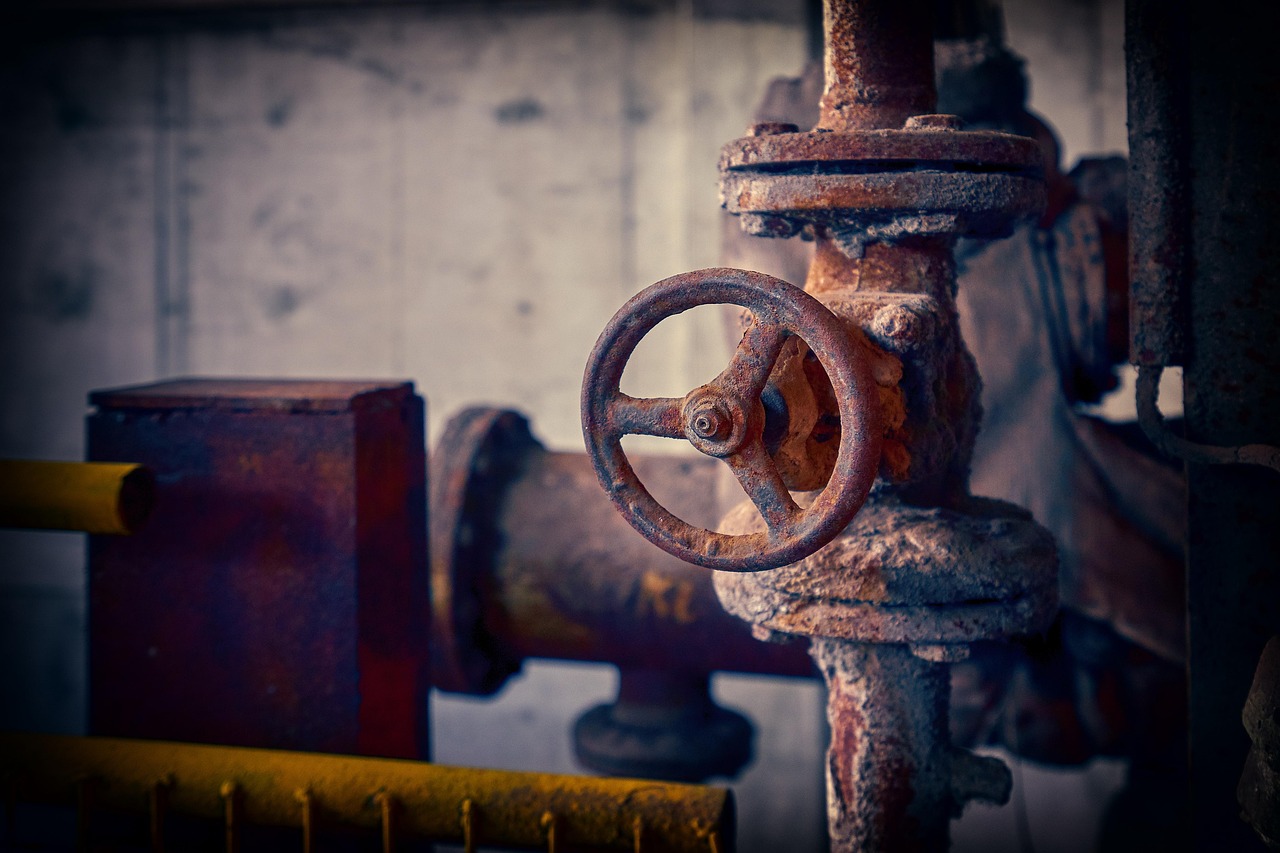
The impact of climate change on Tampa Bay's sewer lines demands innovative, natural solutions for sustainable repairs. As the climate becomes more unpredictable, extreme weather events like heavy rainfall and powerful storms increase in frequency and intensity, putting immense pressure on the region's aging infrastructure. Traditional dig-and-replace methods for sewer line repairs can be disruptive and costly, especially in densely populated areas like Tampa Bay. Therefore, exploring more environmentally friendly, 24/7 emergency options is crucial.
Comparing trenchless vs. Traditional sewer repair methods, trenchless technology offers several advantages in terms of minimal disruption to surrounding areas, reduced construction time, and lower environmental impact. Pipe relining, where a new pipe is inserted inside the existing one, can strengthen and restore sewer lines without the need for extensive excavation. This method is suitable for both residential and commercial Tampa Bay FL sewer line repairs, providing a quick and efficient solution. The Florida Department of Environmental Protection encourages such innovative practices to minimize the ecological footprint of infrastructure projects.
Beyond these technical advancements, fostering a culture of proactive maintenance and community engagement is vital. Homeowners and businesses can play a significant role in preventing sewer line damage by scheduling regular inspections and adopting water-efficient practices. Local trade associations and sewage treatment plants can offer guidance on best practices, ensuring that Tampa Bay's sewer systems are equipped to withstand the challenges posed by climate change. By integrating these natural solutions, the region can move towards more sustainable and resilient backup prevention near Tampa Bay, ensuring the integrity of its sewer lines for future generations.
Tampa Bay's Approach: Adaptive Infrastructure Planning
Tampa Bay's approach to addressing the challenges posed by climate change on its sewer lines involves a proactive strategy: adaptive infrastructure planning. Recognizing the potential for more frequent and severe weather events, the Tampa Bay Sewer District, in collaboration with the Florida Department of Environmental Protection and local housing authorities, is leading efforts to strengthen and modernize the region's sewerage system. This proactive stance not only aims to prevent costly and disruptive repairs but also to safeguard the local environment and community.
The district's strategy includes implementing annual plumbing maintenance programs, which are crucial for identifying and rectifying issues before they escalate. These routine checks involve certified sewer specialists who inspect for signs of damage, corrosion, or leaks, ensuring the integrity of the sewer lines. By adopting a maintenance schedule, the district anticipates reducing the need for emergency repairs, which can be both expensive and environmentally damaging. Prompt maintenance can prevent floodwater from infiltrating the sewer system, reducing the risk of contamination and backup in homes and businesses.
To routine maintenance, Tampa Bay's sewer experts are at the forefront of embracing the latest sewer line repair technology trends. This includes innovative techniques such as trenchless repair, which minimizes disruption to surrounding areas, and advanced materials that enhance the durability of repairs. By staying abreast of these technological advancements, the district ensures that the sewer lines are not only repaired but also strengthened against the impacts of climate change. This forward-thinking approach positions Tampa Bay as a leader in adaptive infrastructure planning, setting a benchmark for other communities facing similar environmental challenges.
Community Engagement for Proactive Mitigation

Community engagement is a crucial strategy for proactive mitigation of climate change impacts on sewer lines in Tampa Bay. As the region faces increasingly frequent and severe weather events, residents and businesses play a critical role in identifying vulnerabilities and implementing adaptation measures. Public awareness campaigns can educate property owners about the importance of maintaining and upgrading their sewer systems to withstand extreme conditions. By fostering a culture of preparedness, residents can help prevent costly and disruptive backups and leaks.
Comparing trenchless repair methods with traditional excavation techniques, the former offers significant advantages in terms of minimizing environmental disturbance and reducing project timelines. Trenchless technology, such as relining and micro-tunneling, allows for repairs to be conducted without extensive excavation, preserving landscapes and reducing traffic disruptions. When considering Tampa Bay FL sewer line repairs, engaging certified sewer specialists and licensed contractors who employ trenchless techniques ensures a more sustainable and efficient solution. Local companies specializing in these methods have successfully restored critical infrastructure in urban areas, enhancing resilience and promoting long-term cost savings.
To implement these strategies effectively, community-led initiatives can include regular training sessions for certified sewer specialists and best practices sharing among licensed contractors. By fostering collaboration between residents, businesses, and experts, Tampa Bay can create a robust adaptation framework. Integrating feedback from local environmental groups and utilizing online platforms like Google Reviews and Yelp can provide valuable insights into the performance of different sewer repair services. This data-driven approach ensures that adaptation strategies are guided by real-world experiences and community needs, ultimately strengthening the region's resilience to climate change.
Case Studies: Successful Adaptation Strategies in Action

Successful adaptation strategies have been implemented in Tampa Bay, Florida, to mitigate the impact of climate change on critical sewer infrastructure. One notable case involves the Tampa Bay Sewer District, which has been proactive in enhancing its system's resilience. Recognizing the increasing frequency and intensity of extreme weather events, the district invested in a state-of-the-art surveillance system that provides real-time data on sewer line conditions. This enables certified sewer specialists in the Tampa Bay area to predict and respond to potential failures more efficiently. During the 2020 hurricane season, the system detected an impending breach in a critical section of the network, allowing for swift intervention and preventing widespread disruption.
Another successful strategy involves the collaboration between local governments and utility providers. The Florida Department of Environmental Protection (FDEP) has been instrumental in guiding the adoption of innovative repair and replacement techniques. One such technique, known as "trenchless technology," involves repairing or replacing sewer lines without the need for extensive excavation. This not only minimizes environmental disturbance but also significantly reduces the time and cost of sewer line repairs in Tampa Bay FL. A local contractor, highly rated on platforms like Angie's List, attributes much of its success to embracing these latest sewer line repair technology trends.
Cost-effective decision-making is another critical aspect. A detailed sewer repair vs. Replacement cost analysis, conducted by the Tampa Bay Emergency Management Agency, revealed that proactive maintenance and repair can extend the lifespan of existing infrastructure, saving taxpayers millions in the long run. This analysis is particularly valuable for landlords and homeowners, as it provides a clear understanding of the financial implications of different choices. A rental property owner in the area decided to replace an aging sewer line based on the analysis, avoiding a costly backup that could have affected multiple tenants during peak season, as reported by local news outlets.
Long-Term Solutions: Reducing Vulnerability to Climate Change
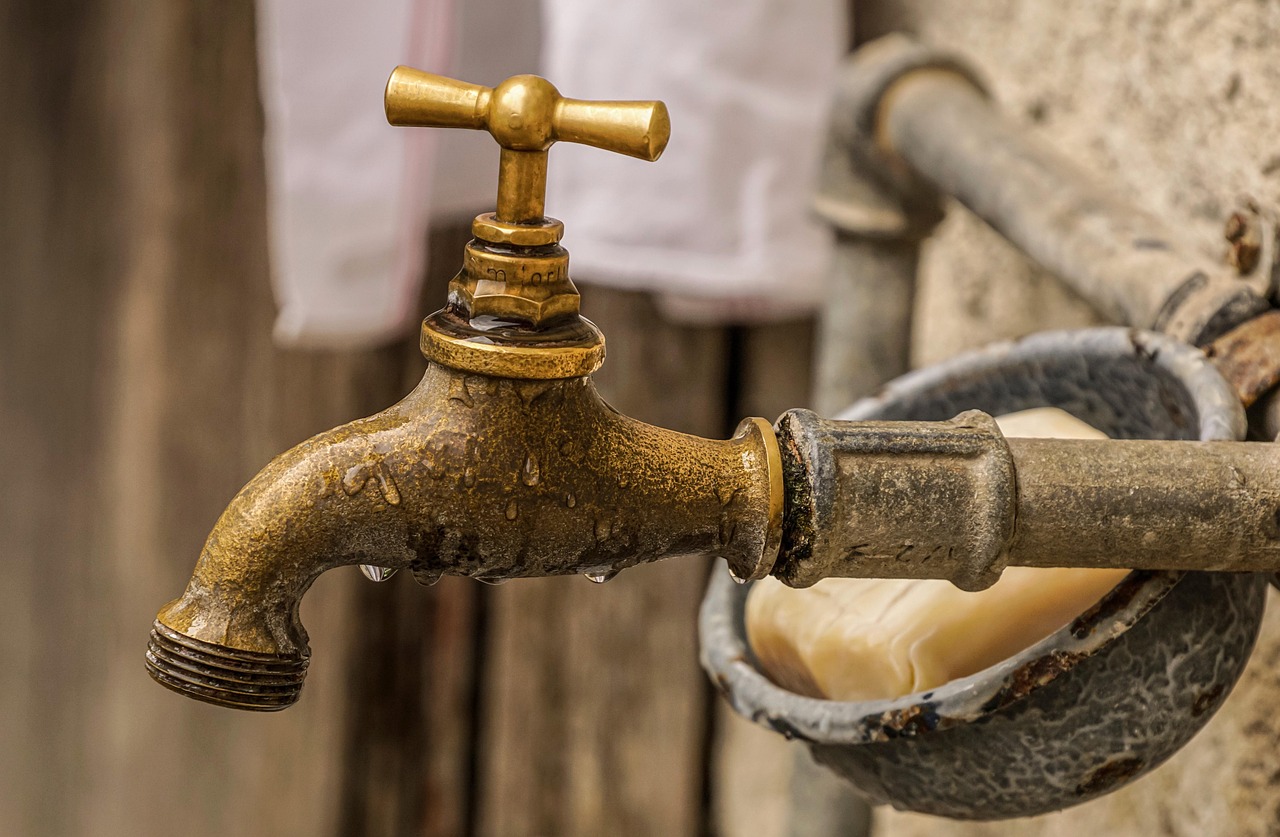
To address the long-term impacts of climate change on Tampa Bay's sewer lines, it's crucial to implement proactive strategies that enhance resilience and reduce vulnerability. While immediate repairs are often necessary, focusing on broader, sustainable solutions is key to mitigating future risks.
The Tampa Bay Sewer District, in collaboration with experts from the Florida Department of Environmental Protection and the National Sewerage Association, recognizes the urgent need for adaptation. They're leading efforts to upgrade infrastructure, incorporating climate-resilient designs and materials. Switching to more robust pipe materials that can withstand increased ground movement and extreme weather events can significantly extend the lifespan of sewer lines. This proactive approach not only reduces the frequency of repairs but also minimizes disruptions to residents and businesses, especially during severe weather.
Affordable Tampa Bay sewer line repairs are essential for all community members, particularly low-income residents. To ensure accessibility, the district works closely with local trade associations and licensed contractors to offer financial assistance programs and discounted services. Some contractors provide 24/7 emergency sewer services at no additional cost to residents facing severe clogs or leaks during non-business hours, demonstrating a commitment to community well-being. This support extends to the best licensed sewer contractors in Tampa Bay, who are trained in the latest repair techniques and adhere to stringent safety and environmental regulations.
Beyond infrastructure improvements, education and public awareness play a vital role. The Florida Emergency Management Agency (FEMA) and local news outlets are key partners in disseminating information about climate change's impact on sewers and the importance of regular maintenance. By empowering residents to take proactive steps, such as preventing clogs through responsible waste disposal, the community can collectively contribute to minimizing sewer-related disruptions. This collaborative approach, involving government agencies, contractors, and community organizations, is essential for building a more resilient Tampa Bay, capable of withstanding the challenges posed by climate change.
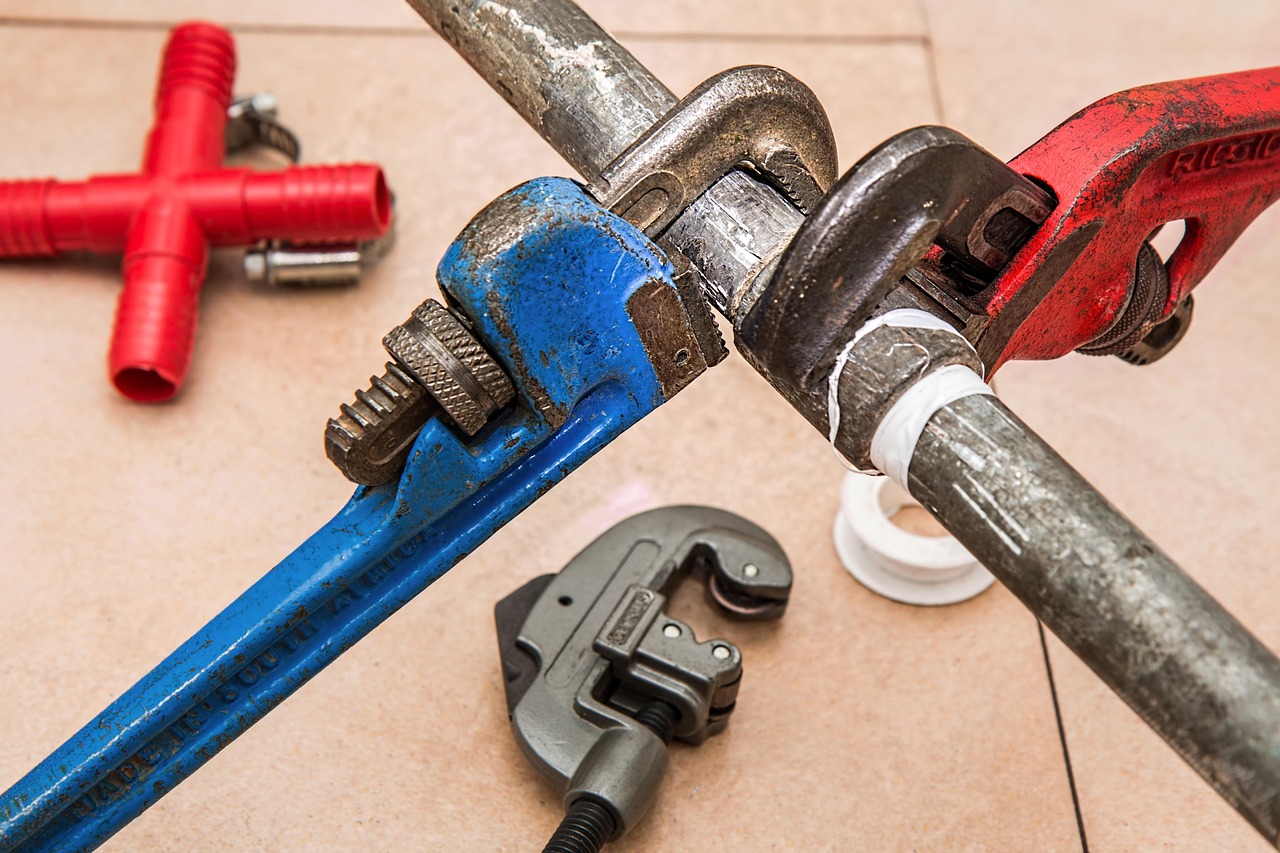
As Tampa Bay faces the impacts of climate change, the future of its sewer systems is a critical consideration. The region's growing population and extreme weather events put a strain on the existing infrastructure, making proactive adaptation essential. The good news is that the Tampa Bay Sewer District, in collaboration with the Florida Department of Environmental Protection and local stakeholders, is implementing strategies to build resilience. These include regular sewer line inspection cameras, which provide detailed visual data, allowing for early detection of leaks and damage. By identifying issues before they escalate, these advanced technologies can prevent costly repairs and minimize disruptions.
One key trend in the latest sewer line repair technology is the adoption of 24/7 emergency services. Local contractors now offer around-the-clock response times, ensuring swift action during severe weather events or sudden breakdowns. This rapid response capability is crucial for minimizing backup prevention near homes and businesses, a primary concern for residents. A local plumbing company might employ advanced remote-controlled robots to assess and repair lines without breaking ground, reducing excavation and construction time.
Looking ahead, the National Sewerage Association advocates for a holistic approach to sewer system adaptation. This includes not only repairing and upgrading existing infrastructure but also implementing sustainable practices. Integrating green infrastructure, such as permeable surfaces and bioswales, can help manage stormwater runoff, reducing the pressure on the sewer system. By combining these strategies with the latest repair technologies, Tampa Bay can move towards a more resilient and sustainable sewer network, better equipped to handle the challenges of a changing climate.
Frequently Asked Questions About The Impact of Climate Change on Sewer Lines in Tampa Bay: Adaptation Strategies
What are the primary effects of climate change on Tampa Bay's sewer lines? Climate change is expected to increase the frequency and intensity of extreme weather events, such as heavy rainfall and storms. This can lead to several issues for sewer lines. Higher water levels can overwhelm drainage systems, causing sewer overflows. Increased rainfall may lead to soil erosion, undermining the foundations of sewer pipes and increasing the risk of breaks. Rising sea levels could impact coastal areas, potentially damaging underground sewer infrastructure.
How does sea level rise affect sewer systems in Tampa Bay? Rising sea levels can directly inundate coastal sewer systems, causing them to become blocked or damaged. It may also lead to increased groundwater intrusion, as saltwater can contaminate freshwater sources used for flushing and treatment. This can reduce the efficiency of sewage treatment plants and pose health risks.
What are some signs that a sewer line is failing due to climate change? Signs of a failing sewer line include frequent clogs, sewage backups, or unusual odors. You may also notice a decrease in water pressure or evidence of water seeping from manholes. If these issues persist, it's crucial to contact a professional plumber for an inspection.
What adaptation strategies are being considered to protect Tampa Bay's sewer lines? Adaptation strategies focus on making the sewer system more resilient. This includes improving drainage infrastructure to handle increased rainfall, implementing early warning systems for storms, and raising or reinforcing sewer lines in vulnerable areas. Using more resilient materials for new installations and regular maintenance can prevent failures.
How can residents prepare for potential sewer issues related to climate change? Residents can prepare by scheduling regular sewer line inspections and maintaining clear drains and catchments around their properties. During severe weather, avoid dumping grease or non-biodegradable materials into the sewer system. Reporting any signs of sewer line issues promptly can also aid in early repair and reduce the impact of potential backups.
What role do local governments play in adapting to climate change's impact on sewers? Local governments are responsible for developing and implementing adaptation plans for their areas. This involves updating building codes to include climate-resilient practices, investing in infrastructure improvements, and educating the public about preventive measures. They also coordinate with utility providers to ensure effective and efficient storm water management.
Tampa Bay's sewer system faces significant challenges due to climate change, but the region is taking proactive steps to adapt and build resilience. Key insights from this article highlight the importance of comprehensive assessments, natural solutions, and community engagement in mitigating these impacts. By understanding the vulnerabilities of the local sewer system, Tampa Bay is implementing adaptive infrastructure planning and successful case studies, demonstrating a path forward. Long-term solutions, focusing on reducing vulnerability, are crucial for the future of tampa bay fl sewer line repairs and ensuring sustainable, resilient water management. Community involvement and collaboration with experts, such as the Tampa Bay Sewer District and the Florida Department of Environmental Protection, are vital to achieving these goals. These strategies not only protect critical infrastructure but also safeguard the environment and the well-being of the community.
The Tampa Bay sewer system faces climate-driven challenges, prompting a need for proactive adaptation. Regular plumbing maintenance, including inspections and repairs, is crucial. Financial responsibilities for repairs vary for tenants and homeowners, with landlord-tenant laws dictating who pays. Reputable contractors and resources like Angie's List ensure fair pricing and competent work.
Climate change impacts include increased rainfall, rising sea levels, and salt water infiltration, necessitating coastal protection measures and efficient sewer repair methods. Trenchless technology, like relining and micro-tunneling, offers minimal environmental disturbance and faster completion times.
Successful adaptation involves community-led initiatives, data-driven strategies, and financial assistance programs. Proactive maintenance, innovative repair technologies, and public awareness education build resilience and reduce long-term costs.